
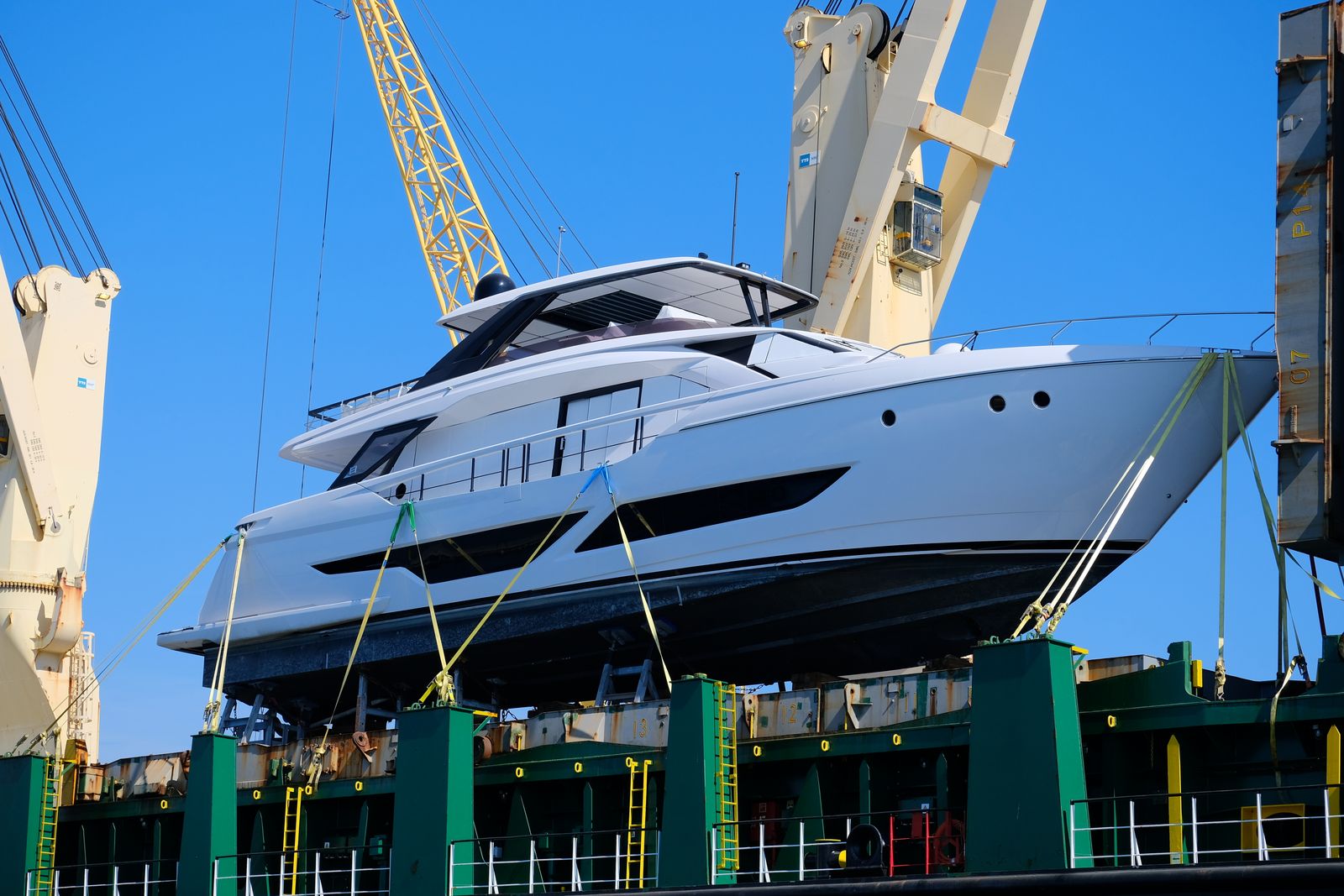
The Bodrum peninsula and the Milas coastline see some of the busiest boat traffic in Türkiye. From Güllük to Turgutreis, from Yalıkavak to Ören, hundreds of boats spend the season on the water in every bay. When the season ends, most of them come ashore for maintenance and winter storage. That is where the crane comes in: lifting a boat safely out of the water, moving it on land and launching it again in spring is a delicate lifting operation that calls for the right equipment and an experienced crew.
A Seasonal Routine in Bodrum: Haul-Out and Launching
Boat owners have two critical appointments each year. The first is the haul-out at the end of the season, when the boat comes ashore for winter storage. On land, the boat spends the winter in a boatyard or on the owner's own property, and this is when jobs such as hull cleaning, antifouling, engine and shaft maintenance get done. The second is the launch at the start of the new season. Both operations come down to the same essential task: lifting and moving the boat with a crane, in perfect balance.
Where a marina has its own travel lift, the job is handled inside the marina. But in small coves, cooperative boatyards, or for owners who winter their boat in their own garden, a mobile crane is often the only practical solution. The mobile crane sets up next to the ramp or jetty, picks the boat up from where it sits and places it directly onto a transporter or its cradle.
How Is a Boat Lifted by Crane?
Sling Placement
A boat is never lifted with rope or chain wrapped around the hull; wide polyester lifting slings that do not damage the gelcoat are used instead. Where those slings sit under the hull is the most critical step of the whole operation. The slings are positioned so they never bear on vulnerable points such as the shaft, propeller, transom sensors or the depth sounder. On many boats the builder marks the sling positions on the hull; where there are no marks, an experienced crew determines the correct points from the shape of the boat.
Centre of Gravity and Balance
A boat's centre of gravity shifts with the position of the engine and how full the fuel and water tanks are. If the slings are not spread evenly either side of the centre of gravity, the boat tips bow-down or stern-down in the slings — which is both dangerous and puts point loads on the hull. That is why the first lift is only a few centimetres: the balance is checked, the sling positions are adjusted if needed, and only then does the full lift begin.
Protecting the Keel and Shaft
On sailing yachts the keel, and on motor boats the shaft and propeller, are the most exposed areas. Spreader bars are used to keep the slings from chafing against them and to stop the slings from squeezing the hull and pressing on the guardrails and topsides. The same care applies at launch: the boat is lowered into the water gradually, with no load ever taken by the keel or the shaft.
Practical tip: Before your boat is hauled out, empty the fuel and water tanks as far as possible and secure loose gear such as the boom and awnings. A lighter, tidied-up boat is lifted more safely — and the operation takes less time.
When Should You Book?
The haul-out season in Bodrum peaks around fixed dates: haul-out requests pile up at the end of the season (usually in the autumn months) and launch requests in spring. During those weeks it can be hard to find a crane or a boatyard slot. Our advice:
- Book early: in the busy weeks the choice of days and time slots shrinks fast; fix your date a few weeks ahead.
- Watch the weather together: on windy days a boat in the slings starts to swing, and if safety limits are exceeded the operation is postponed. Early morning is usually the calmest window.
- Describe the ground and access in advance: the surface where the crane will set up, the width of the ramp and obstacles such as overhead power lines directly shape the plan.
- Have your boat's details ready: length, beam, approximate weight and boat type (sail or motor) are enough for us to choose the right crane.
Moving and Blocking Ashore: Cradles and Stands
The job is not over once the boat is out of the water; it has to stand safely on land. Motor boats usually sit in steel cradles or purpose-built stands, while sailing yachts go onto stands with side supports that take the load off the keel. The cradle must match the boat's weight and hull shape, and the support points must line up with bulkheads and hull stiffeners — otherwise months of winter storage can leave permanent deformation in the hull. If the boat is being moved to an address outside the boatyard, the crane operation is planned together with the truck and the transport route.
Why an Experienced Crew Matters
Lifting a boat is not like lifting a standard load. The load is both valuable and fragile; the centre of gravity is invisible, the lifting points are under the hull, and the work is usually done at the water's edge on narrow, sloping ground. A badly placed sling can cause anything from gelcoat cracks to a bent shaft — expensive damage. An experienced crew chooses a crane of the right capacity, plans the lift in advance, positions the slings to suit your particular boat and runs the whole operation to proper safety standards. When you hire a crane, remember that you are hiring that experience, not just the machine.
24/7 Service Along the Bodrum and Milas Coast
At Hedef Vinç we provide operated mobile crane service for boat haul-out and launching across the Bodrum peninsula and the Milas coastline — including Güllük, Güvercinlik, Ören and the surrounding bays. Our workshop sits on the Milas–Bodrum road, so we are on site quickly, and you can reach us 24/7 for urgent jobs. Take a look at our crane rental service for details, and call us to plan the best solution for your boat together. English support line: +90 532 294 48 63 — or +90 533 708 92 00.